
Charleston is a walking history lesson, so the museums here are excellent. You can spend a morning learning about the city's history, an afternoon aboard a World War II aircraft carrier, and the next day looking at tiny portrait miniatures painted before photography existed. There are museums for Charleston history, African American history, art, kids, and military history, plus plenty of great rainy-day options. This guide sorts the best museums in Charleston, SC by what they are best for, so you can quickly pick the right ones, whether you are a history buff, an art lover, or a family with a wet afternoon to fill.
Best Museums in Charleston, SC, at a Glance
Best museum for...
- First-time visitors: the Charleston Museum
- African American history: the International African American Museum
- Art: the Gibbes Museum of Art
- Charleston's slavery history: the Old Slave Mart Museum
- Younger kids: the Children's Museum of the Lowcountry
- Older kids and teens: Patriots Point and the USS Yorktown
- A historic house: the Aiken-Rhett House or the Nathaniel Russell House
- A rainy afternoon downtown: the Charleston Museum plus the Children's Museum
| Museum | Best for | Rough time | Where |
|---|---|---|---|
| Charleston Museum | First-time visitors, Lowcountry history | 1.5-2 hrs | Downtown, Museum Mile |
| International African American Museum | African American history | 2-3 hrs | Waterfront, Gadsden's Wharf |
| Gibbes Museum of Art | Art lovers | 1-2 hrs | Meeting St, Museum Mile |
| Old Slave Mart Museum | Charleston's slavery history | ~1 hr | Historic District, Chalmers St |
| Patriots Point | Ships, military history, families | 3-5 hrs | Mount Pleasant, across the harbor |
| Children's Museum of the Lowcountry | Younger kids | 1.5-2 hrs | Downtown, Museum Mile |
Estimated time is our planning guide, not an official recommended visit length.
If you only have time for one, choose by interest: the Charleston Museum for a broad look at the city and the Lowcountry, the International African American Museum for African American history, the Gibbes for art, or Patriots Point for ships and military history. If you have a full museum day, plan on two or three stops rather than trying to see everything. The Charleston Museum, the Gibbes, and the Children's Museum cluster near the Museum Mile, while the International African American Museum is farther south by the water and Patriots Point is across the harbor.
The Charleston Museum: Best for First-Time Visitors
Founded in 1773, the Charleston Museum is commonly regarded as America's first museum. It tells the story of the city and the Lowcountry through everything from colonial-era objects to natural history, which makes it the best first stop for understanding where you are. It sits on the Museum Mile, so it is easy to combine with other stops nearby, and it also runs two of the city's historic house museums.
International African American Museum: Best for African American History
Opened in 2023, the International African American Museum tells the story of the African American journey from the transatlantic slave trade to the present. It stands on the historically important site of Gadsden's Wharf, where nearly half of all enslaved Africans brought to North America arrived, so the location itself is part of the story. Inside, the galleries carry that story through to Gullah Geechee culture and beyond, with room for both hardship and joy. There is a Center for Family History that helps visitors research their own ancestry, and outside, the African Ancestors Memorial Garden sits by the water. Give it a few hours rather than an hour.
Gibbes Museum of Art: Best for Art Lovers
For art, head to the Gibbes Museum of Art at 135 Meeting Street. It focuses on American art with deep Charleston and Southern roots, and it holds one of the most prestigious American portrait-miniature collections in the country: tiny portrait paintings, many made in watercolor on ivory, that people carried as keepsakes before photographs existed. Fun fact, the first American miniature portraits were painted right here in Charleston. It is a calm, beautiful stop on the Museum Mile.
Many of Charleston's best museums sit within walking distance downtown. Photo by Tolga Ahmetler, free via Pexels. (Swap for your own licensed photo.)
Old Slave Mart Museum: Best for Charleston's Slavery History
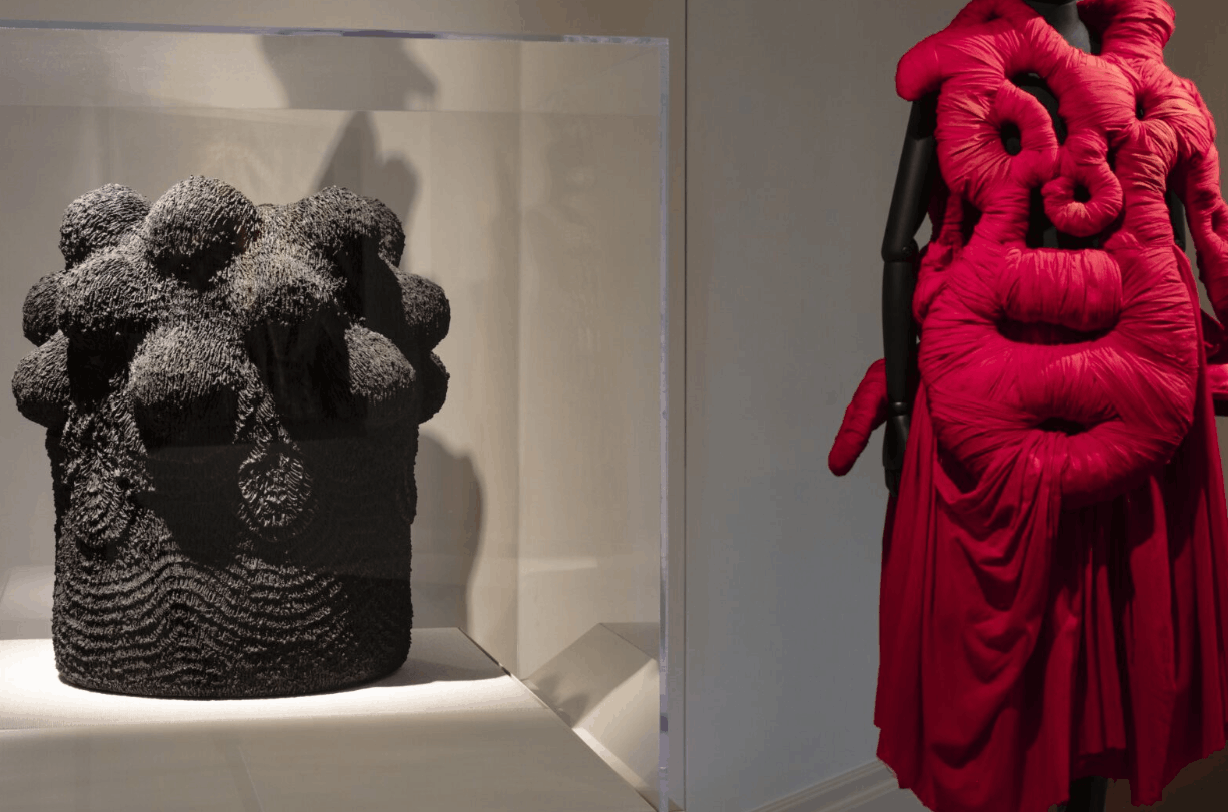
On cobblestoned Chalmers Street, the Old Slave Mart Museum tells the story of Charleston's role in the domestic slave trade and the people who were bought and sold here. It is small, direct, and powerful, and it is one of the most important stops in the city for understanding its history rather than just admiring its architecture.
Patriots Point: Best for Ships, Military History, and Families
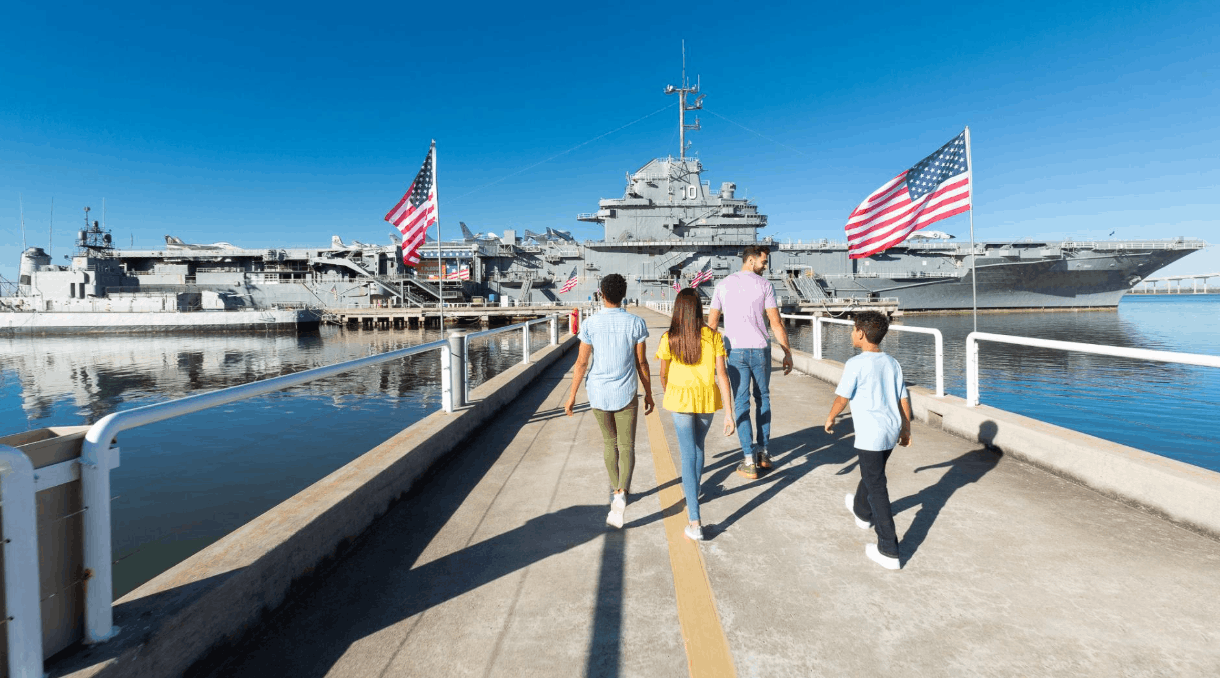
Across the harbor in Mount Pleasant, Patriots Point Naval & Maritime Museum is built around the USS Yorktown, a World War II aircraft carrier you can climb all over. You will also find the destroyer USS Laffey, a large, immersive Vietnam Experience exhibit, and the Medal of Honor Museum. It is huge and hands-on, and a hit with older kids, teens, and anyone who likes planes, ships, and history you can walk through. Plan on several hours if you want to see the ships and exhibits without rushing.
A Few More Historic Stops
Two small sites pack a lot of early history into a short visit. The Old Exchange and Provost Dungeon (completed in 1771) served as the New Exchange and Custom House, and during the Revolutionary War the British occupying army used its cellar as a Provost Jail, where soldiers, citizens, and others were held. South Carolina's ratification convention for the U.S. Constitution was also held here in 1788, and the dungeon downstairs adds another layer of history for families to explore. The Powder Magazine, built in 1713, is the oldest public building in South Carolina and a National Historic Landmark. It once stored gunpowder, its walls are about three feet thick, and it is a quick, quirky stop.
Charleston's Historic House Museums
House museums let you step inside grand old homes and see how people actually lived. A few favorites:
The Nathaniel Russell House (1808) is famous for its three-story free-flying staircase and elegant rooms. The Aiken-Rhett House is a remarkably preserved 1820s home shown much as it was found, with the original quarters for enslaved people, kitchen, and laundry still standing, which tells a fuller and more honest story than a polished restoration would. The Joseph Manigault House (1803) is a graceful Adam-style home on the Museum Mile, and the Heyward-Washington House (1772) hosted George Washington during his Southern tour in 1791. If you can only tour one, pick by the story you most want: fine architecture, everyday life, or Revolutionary history.
Best Museums in Charleston for Kids
Traveling with children? The Children's Museum of the Lowcountry, downtown on the Museum Mile, is built for younger kids, with plenty to touch and climb. Older kids and teens often enjoy Patriots Point, where climbing around a real aircraft carrier beats any exhibit case. And while it is an aquarium rather than a museum, the South Carolina Aquarium on the harbor keeps the whole family busy indoors.
Best Museums in Charleston for a Rainy Day
Charleston summers bring quick afternoon storms, so it helps to know your indoor options. Patriots Point can easily fill several hours on a rainy day. Downtown, the Charleston Museum and the Children's Museum sit close together on the Museum Mile and pair nicely, and the South Carolina Aquarium is another all-indoor win. The International African American Museum is also a strong rainy-day choice if you want something deeper.
Museum Mile: The Easiest Museum Walk
If you want to see a lot without a car, walk the Museum Mile, a one-mile section of Meeting Street that packs in six museums, five nationally important historic houses, four parks, the Powder Magazine, and other landmarks. Along it you will find the Charleston Museum, the Gibbes Museum of Art, the Children's Museum of the Lowcountry, the Joseph Manigault House, and the Powder Magazine, with green spaces to rest between stops. It is the simplest way to turn a few museums into an easy day on foot.
Where to Stay Near Charleston's Museums
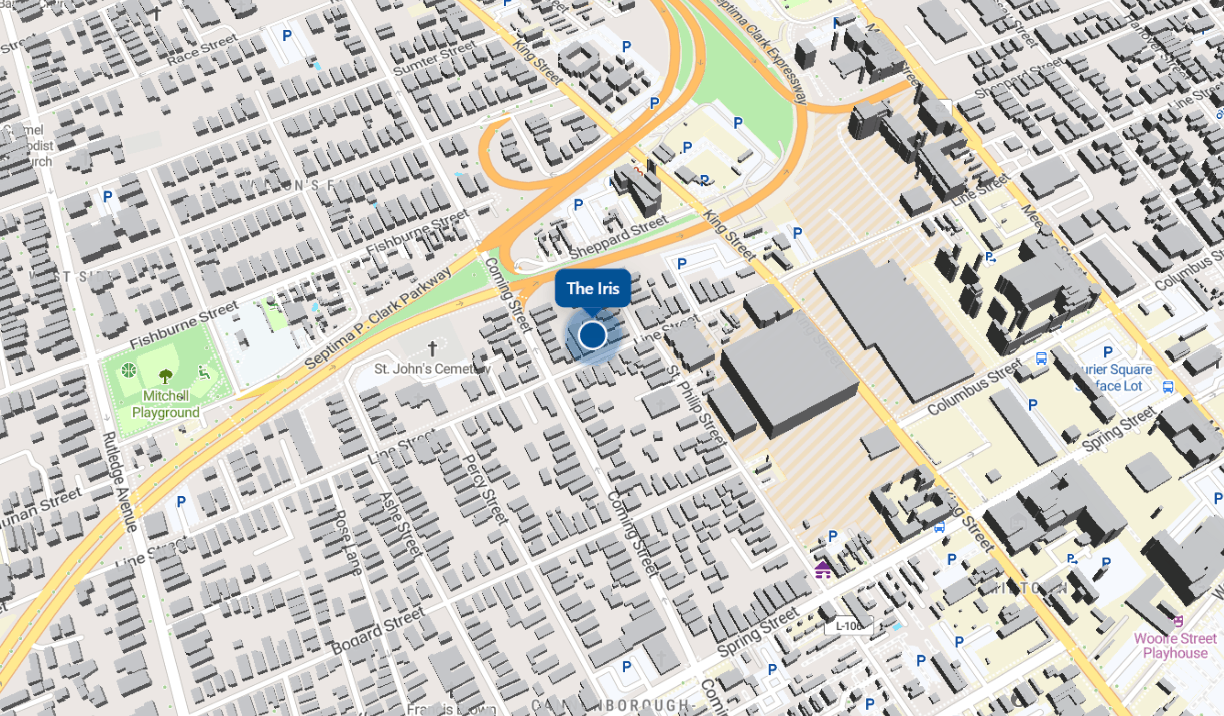
If museums are a big part of your trip, staying downtown means you can reach the Museum Mile, the Gibbes, and several historic sites without spending the day in the car. The Iris is a boutique apartment hotel at 84 Line Street, one block off King Street, which puts the Museum Mile and many downtown attractions within walking distance. The suites are apartment-style with full kitchens, so you can rest and regroup between stops. For more on the city, see our guides to why visit Charleston and what Charleston is known for.
Charleston Museum FAQs
If you have one full day, two or three museums is a realistic target. Start on the Museum Mile, where the Charleston Museum, Gibbes and Children's Museum are close together. Save IAAM for a separate stop farther south, or spend several hours at Patriots Point across the harbor.
The Charleston Museum, the International African American Museum, the Gibbes Museum of Art, the Old Slave Mart Museum, and Patriots Point with the USS Yorktown are the standouts, plus the historic house museums.
The Charleston Museum. It gives you a broad picture of Charleston and Lowcountry history and sits on the Museum Mile, so it is easy to pair with other stops.
A museum that opened in 2023 on the site of Gadsden's Wharf, telling the African American story from the transatlantic slave trade to Gullah Geechee culture, with a family-history center and the African Ancestors Memorial Garden.
Patriots Point and the USS Yorktown for older kids, the Children's Museum of the Lowcountry for younger children, and the South Carolina Aquarium for an all-indoor family day.
Downtown, yes, along the one-mile Museum Mile on Meeting Street. The International African American Museum is a little farther south by the water, and Patriots Point is across the harbor in Mount Pleasant, reached by car or water taxi.
The Charleston Museum, Gibbes Museum of Art, Children's Museum of the Lowcountry, Joseph Manigault House, Powder Magazine and other historic sites are part of the Museum Mile along Meeting Street.
Check each museum's official website, since hours and prices change. Look for combination tickets if you plan to visit several.