



Why visit Charleston? Because almost no American city packs this much history, food, and coastline into a footprint you can cover on foot in an afternoon. That is the short answer. The longer one is more fun, so stick with me. For twelve years straight, Travel and Leisure readers voted this the best city in the United States, a run no other American city has ever managed. It slipped to third in 2025, and locals barely blinked, because the stuff that earned those twelve years has not gone anywhere. The cobblestones. The porches. The way a stranger will say hello like they mean it. Below are the real reasons people fall for Charleston, South Carolina, and how The Iris Hotel drops you right into the middle of it all.
Charleston Attractions Steeped In History
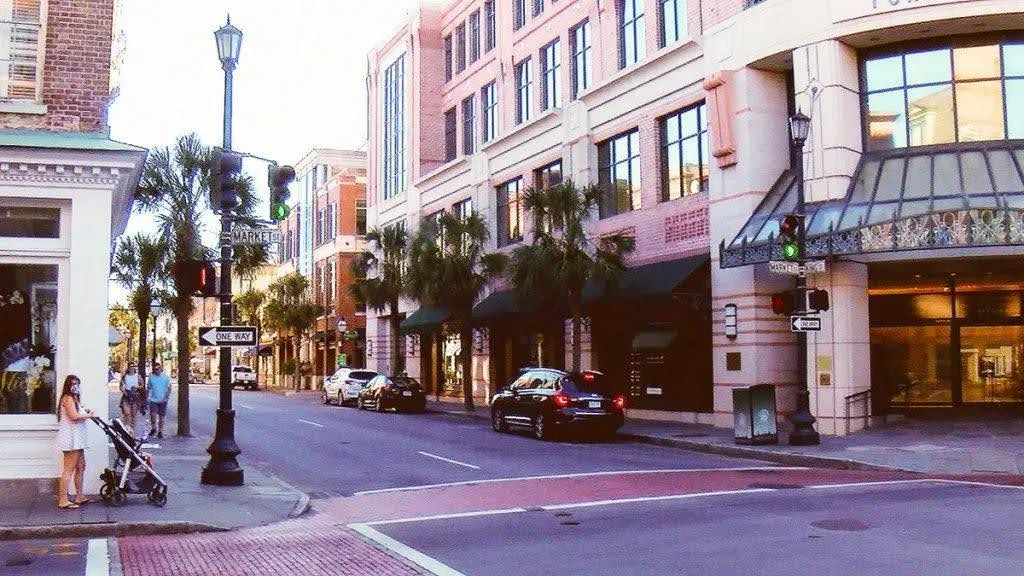
History is not behind glass here. It is the sidewalk you are standing on. Founded in 1670, Charleston kept its antebellum homes, its centuries-old churches (so many steeples that people started calling it the Holy City), and enough landmarks to fill a week. Wander the downtown historic district and the calendar genuinely seems to slip. Pastel townhouses. Wrought-iron balconies. Old walls held together with earthquake bolts you can actually spot if you look up.
The big names earn it. Fort Sumter, the harbor island where the Civil War began in April 1861, is worth the ferry ride alone. The Battery and White Point Garden hand you breezy water views and a row of mansions from the city's richest century. Rainbow Row, that famous line of thirteen candy-colored houses on East Bay Street, first went up in the 1700s and got its pastel coats in the 1930s, and yes, it is still worth the photo. The Old Slave Mart Museum, set inside a real former auction gallery, tells the harder part of the story with the honesty it deserves. And the Charleston Museum, founded in 1773 and widely called America's first, sits a short walk from The Iris. None of these Charleston attractions feel like a checklist. They feel like the city explaining itself. Tour a fort in the morning, be back in your suite by lunch. That is the whole appeal.
The Food Alone Is Worth The Trip
Ask a local why visit Charleston and half of them will just say eat. They are not wrong. Food here is not a break between activities. It is the activity. You can find down-home Southern cooking and a five-star tasting menu on the same block, sometimes right across the street from each other.
Start with the classics, because they are classics for a reason. She-crab soup. Shrimp and grits done right, smoky and slow. Biscuits that flake apart, fried green tomatoes, a pot of okra stew that tastes like somebody's grandmother made it, because the recipe basically came from one. These flavors grew out of Southern and Gullah Geechee kitchens, and they are the soul of the whole scene. Then there is the seafood, straight off the Atlantic, so fresh it barely needs seasoning. Oyster roasts turn into a genuine local event once the season hits. On the ambitious end, James Beard winners like Husk and FIG reworked Southern food without losing the point of it, and The Ordinary, set inside a restored 1927 bank on upper King Street, piles seafood towers under a twenty-foot ceiling with the old vault door still in place. Staying at The Iris keeps you close to all of it, and this local foodie guide is a good place to start plotting. Feeling ambitious yourself? The apartment-style suites come with real kitchens, so you can raid the Saturday farmers market at Marion Square and cook your own Lowcountry haul.
Culture, Art, And Southern Hospitality
Charleston is old, but it is not a museum piece. The culture is alive and still moving. Walk near the market and you will hear the drawl, watch sweetgrass basket makers weave by hand, and brush right up against the Gullah Geechee heritage that runs through the city's identity. Every spring the Spoleto Festival takes over for seventeen days of opera, theater, dance, and music pulled in from around the world, a tradition that goes back to 1977. The rest of the year the French Quarter galleries keep the art flowing, the Gibbes Museum holds down the regional work, and live jazz and blues leak out of half the bars after dark.
Then the hospitality, which is not a marketing line here, it is a habit. People are friendly in a way that catches Northerners off guard. Someone will give you directions you did not ask for and a lunch recommendation on top of it. The city even planted a giant pineapple, the old symbol of welcome, at the center of a fountain in Waterfront Park, which tells you how seriously they take the whole gracious-host thing. Add it up and you have one of the better reasons to visit Charleston: deep tradition and a fresh, current energy sitting comfortably in the same room.
Things To Do In Charleston Beyond Downtown
Here is the part about travel lists love. Charleston hands you a real city and a coastal escape on the same trip. The peninsula is small and made for walking, so you can drift from a boutique to a fort to the harbor without ever touching your car. But the water is always close, which is the trick of the place. Plenty of the best things to do in Charleston have nothing to do with a sidewalk.
Folly Beach sits about twenty minutes out, all surf-town looseness and casual seafood shacks. Sullivan's Island is the quieter cousin, better for a lazy afternoon and a stop at historic Fort Moultrie. Across the harbor in Mount Pleasant, Shem Creek winds through the marsh past shrimp boats, and if you rent a kayak you stand a decent chance of paddling alongside dolphins before you have earned your waterfront dinner. Save an afternoon for the Angel Oak out on Johns Island too, a live oak estimated at somewhere between three and four hundred years old, its limbs sprawling so wide and low they seem to defy the tree holding them up. Do a museum in the morning and the marsh by sunset. That range is exactly why people keep choosing to visit Charleston South Carolina over somewhere new. After a day like that, it helps to have a calm place to land, close enough to walk to dinner, far enough off the main drag to actually recharge.
The Iris Hotel: Your Home Base In The Middle Of It All
All of this is easier with the right base, and that is the honest reason to put The Iris on your list. It is a boutique apartment hotel, which means hotel polish and rental space in one, sitting at 84 Line Street in the up-and-coming Cannonborough-Elliottborough neighborhood, a single block off King. Location does the heavy lifting. Top restaurants, shops, and galleries are right there. The historic landmarks and the waterfront are minutes away.
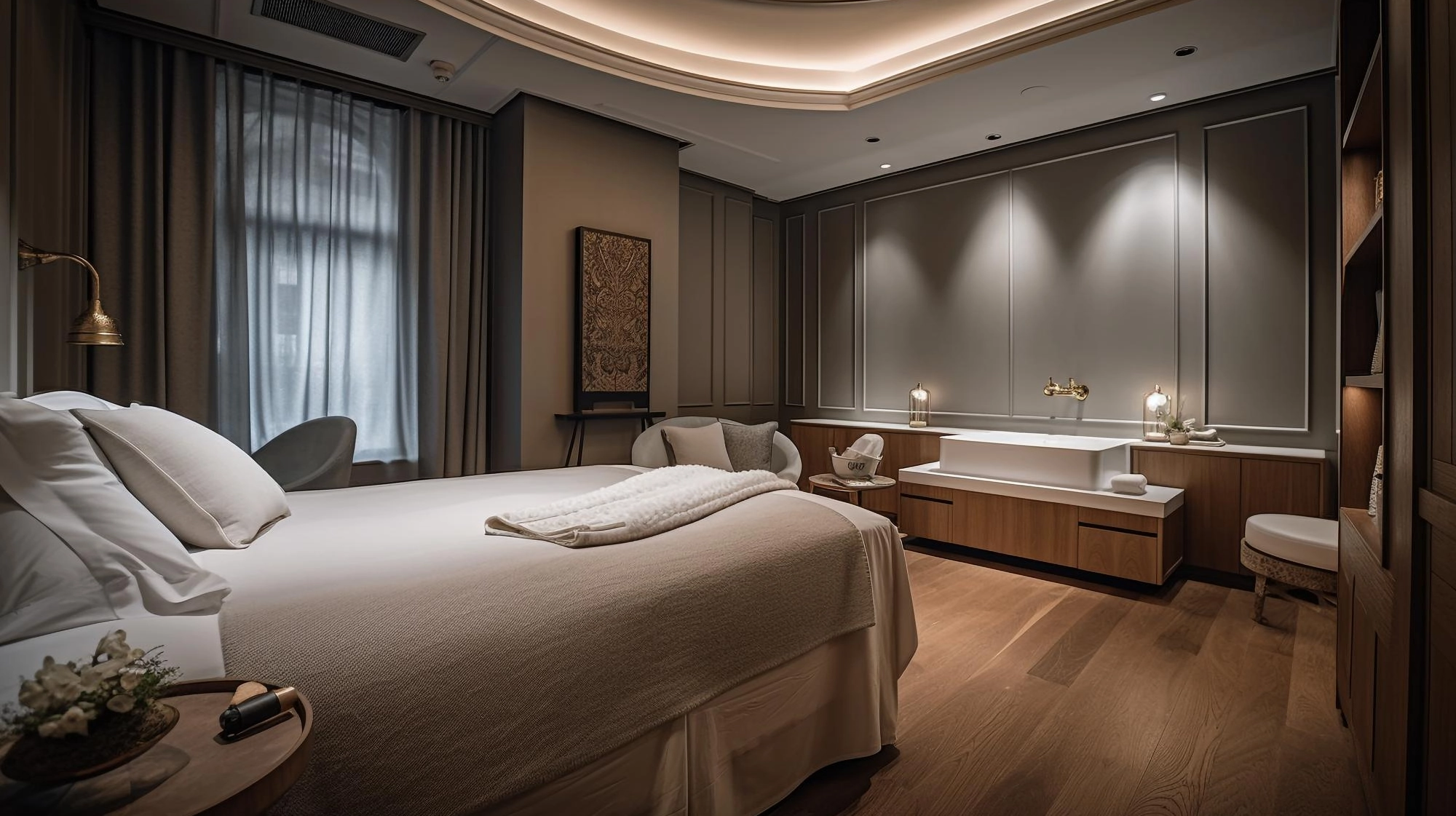
From your door, Marion Square and its Saturday farmers market are an easy ten-minute walk. The Charleston Museum and the Aiken-Rhett House, a remarkably intact 1820 antebellum home with its original quarters for enslaved people still standing, are both a short walk up the road. The City Market, running since the 1790s, and the French Quarter sit fifteen or twenty minutes out on foot, or one quick pedicab if your legs have already put in a full day. Want a carriage tour, a show at the Charleston Music Hall, a slow morning with coffee? It all starts from the same corner. High ceilings, hardwood floors, a full kitchen, a gated entrance, and the whole city on the other side of it.
Still Wondering Why Visit Charleston, South Carolina?
Then here is the honest wrap. Few American cities offer this much in one walkable place: moss-draped oaks and rooftop bars, Revolutionary sites and James Beard kitchens, gallery afternoons and beach evenings you can reach in twenty minutes. History buffs, food people, art lovers, and folks who just want sand and a good porch all find their trip here, and the friendliness makes it feel easy at any age. Twelve years at the top of the country was never an accident, and the city that earned it is still very much standing.
If Charleston made your shortlist, stay in the heart of it. Book your stay at The Iris Hotel and you wake up a block off King Street, spend your days on the good stuff, and come back each night to your own elegant suite. That is Charleston done right.
Why Visit Charleston: Quick Questions
Because few American cities pack this much into one walkable footprint: more than 350 years of history, a James Beard-level food scene, living Gullah Geechee culture, and beaches twenty minutes away, all wrapped in real Southern hospitality.
It held the best-city-in-America title with Travel and Leisure readers for twelve straight years. The walkable historic core, award-winning restaurants, coastal setting, and friendliness keep pulling people back.
It is a top-rated destination, so demand and hotel rates climb during the spring and fall peak. You can spend a lot less by traveling in the quieter winter months and booking an apartment-style suite with a kitchen so you are not eating out every meal.
Spring and fall are the sweet spots, nice weather and thinner crowds. Summer is gorgeous but genuinely humid, and winter is quiet and usually cheaper.
Not downtown. It walks easily and rideshares are everywhere. A car mostly earns its keep on a beach day or a run out to the Angel Oak.